Shape
Turn concepts into decisions
Converted rough creative ideas into scoped tasks, prototypes, game-design documentation, roadmaps, milestones, dependencies, budgets, and release plans.
Full game-production lifecycle
Wilder World was developing open-world exploration, racing, combat, characters, environments, blockchain systems, and community access at the same time. I turned that ambition into a production model connecting pre-production, development, QA, launch, and post-release learning.
01 / At a glance
02 / The world
03 / The problem
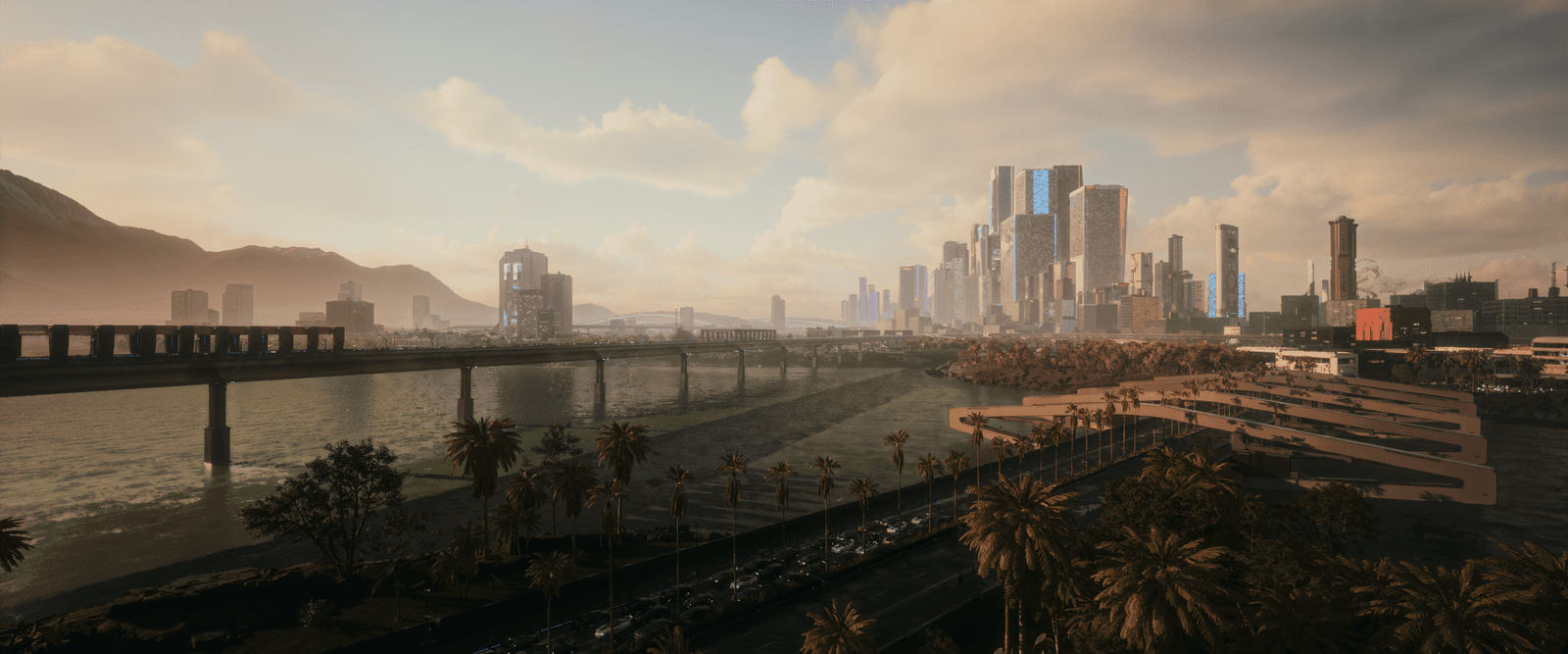
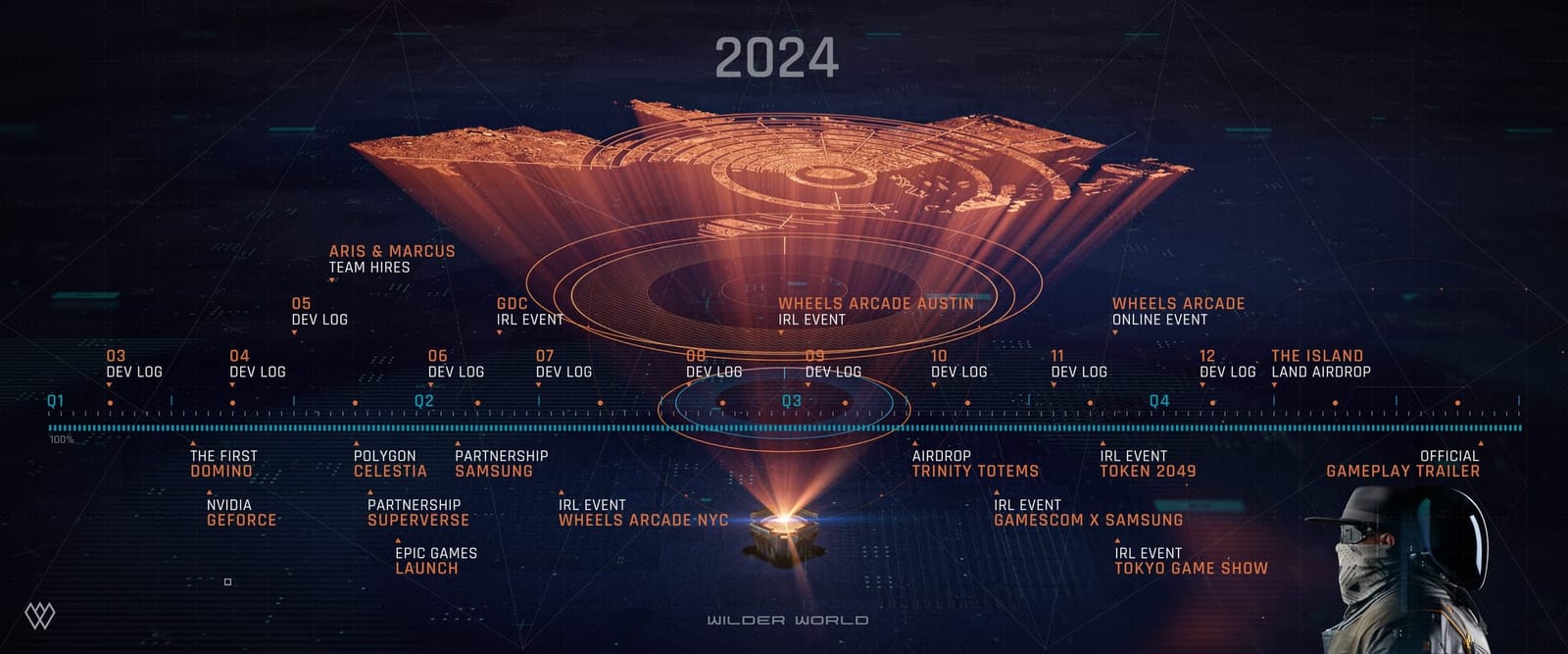
Wilder World combined cinematic art direction, open-world environments, action combat, competitive racing, customizable avatars, blockchain ownership, token utilities, and an active player community.
Art, game design, engineering, QA, product, marketing, community, and vendors were moving concurrently from concepts that were still evolving. Without a shared production system, the team risked overloading resources, missing dependencies, and carrying unclear ideas too far into development.
The plan had to create clarity without freezing a game that was still becoming itself.
04 / What I owned
Shape
Converted rough creative ideas into scoped tasks, prototypes, game-design documentation, roadmaps, milestones, dependencies, budgets, and release plans.
Ship
Connected game design, art, engineering, QA, production, marketing, community, and vendors while balancing visual ambition against technical and resource constraints.
Learn
Owned playtesting, bug prioritization, release readiness, support planning, and the feedback loops that moved player insight into updates and future roadmaps.
05 / The lifecycle
Defined scope, responsibilities, platforms, tools, mechanics, story, characters, art direction, budgets, constraints, and the prototypes needed to validate the direction.
Managed milestones, sprints, resources, assets, code, scope changes, creative reviews, performance constraints, playtesting, bugs, and cross-discipline decisions.
Coordinated readiness, optimization, patches, content updates, marketing, platform delivery, community feedback, and future downloadable content.
06 / The production system
The workflow gave every discipline shared decision points while preserving room for creative iteration.
Make the idea actionable. Define the player experience, release objective, scope boundaries, decision owners, resources, and success conditions.
Use failure early. Test core mechanics, interactions, and technical assumptions before they become expensive production commitments.
Connect the disciplines. Build milestones and task systems across art, design, engineering, QA, platforms, marketing, community, and vendors.
Keep the shared plan current. Manage sprints, resources, asset production, code delivery, scope change, performance constraints, and creative reviews.
Advocate for the player. Coordinate playtesting, bug tracking, polish, usability, visual quality, and release risk across the team.
Ship and reopen the loop. Align production, platform, marketing, and community; then turn performance and player feedback into the next roadmap.
07 / Launch + learning
Release readiness connected production, QA, platform, marketing, and community teams. After launch, player concerns, engagement, and technical performance became prioritized inputs for fixes, updates, expansions, and downloadable content.
08 / What shipped
The durable outcome: an evolving, distributed studio gained a repeatable way to move ambitious game concepts through production without separating creative vision from technical reality.
09 / What this proves
Structure without rigidity is the real game-production skill.
Enough clarity to protect delivery, enough technical understanding to surface real constraints, and enough creative judgment to know when exploration is part of the work.